
 English
 Română
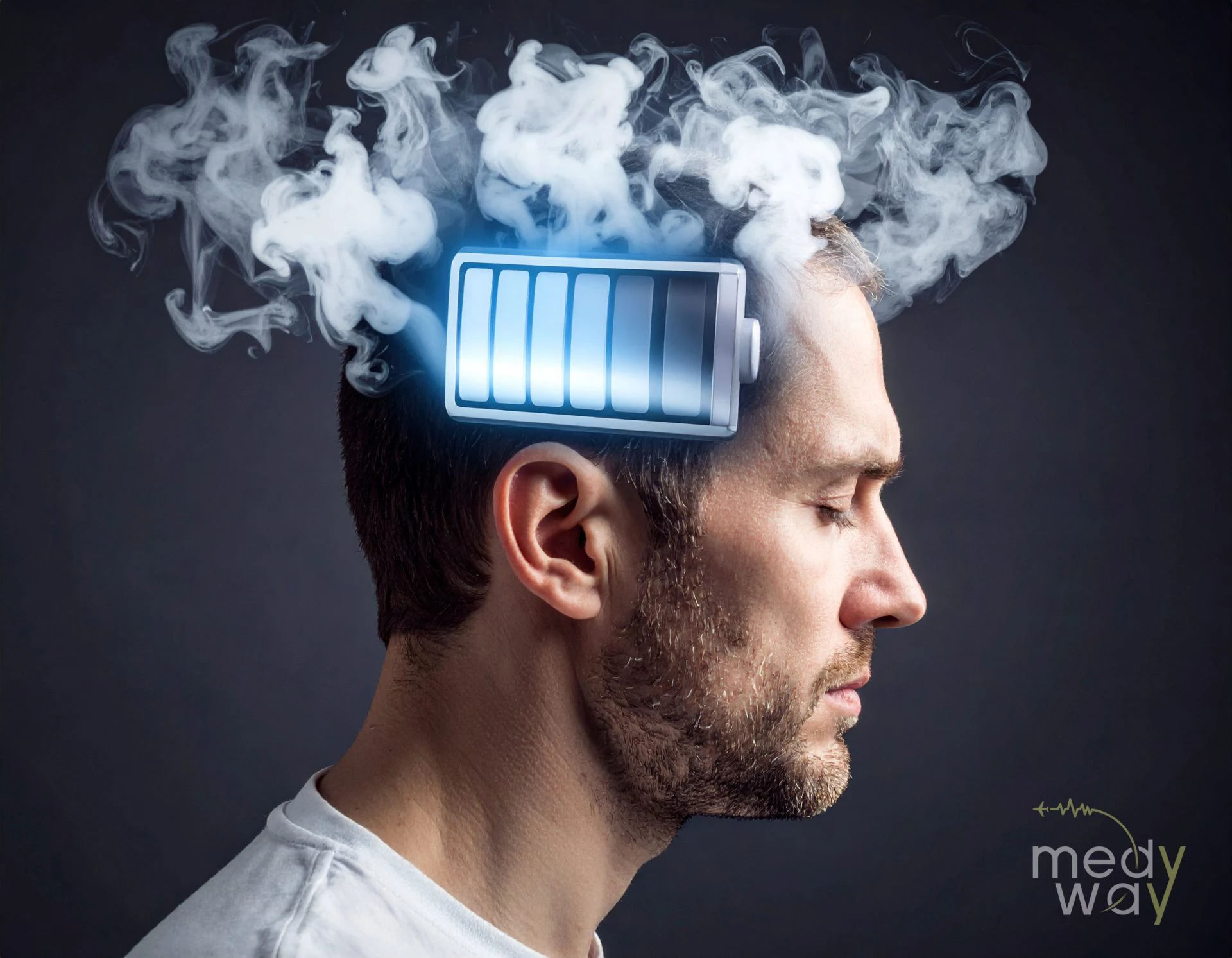
Burnout: When Exhaustion Becomes Dangerous for Mind and Body
The Invisible Fatigue That’s Felt in Every Cell
In a society that values constant performance and
treats “hurry” as a way of life, more and more people experience a kind of
exhaustion that no good night's sleep can fix. It’s a deep fatigue that affects
not only the body—but also the soul. This state has a name: burnout.
Burnout is not just stress or a tough day at
work. It’s a syndrome of emotional, mental, and physical exhaustion, caused by
prolonged stress and an imbalance between personal resources and external
demands.
More and more people live on autopilot, with a
tired smile and an empty soul. If you see yourself in these words, you are not
alone. And most importantly—you don’t have to stay that way.
Burnout Symptoms – How to Recognize You’ve
Reached the Limit
Burnout develops gradually, but its effects can
be devastating. Here are some of the most common symptoms:
- Constant exhaustion, no matter how much you sleep
- Lack of motivation and meaning in what you do
- Irritability, frustration, and frequent outbursts
- Emotional detachment – feeling “empty” or disconnected from others
- Decreased performance at work
- Sleep disturbances and digestive problems
- Feelings of guilt and self-deprecation
These signs should not be ignored. Untreated
burnout can lead to depression, anxiety, or serious physical issues.
Common Causes – What Leads to Total Exhaustion
Burnout often results from a combination of
factors, including:
- Work overload and lack of boundaries between work and personal life
- Perfectionism and excessive self-criticism
- Lack of recognition or support in the workplace
- Constant pressure to prove yourself and “keep up”
- Neglecting your own needs to please others
It may seem like a sign of “strength” to push
through at all costs, but true strength lies in knowing when to stop.
Burnout or Depression? Or Both?
Burnout can resemble depression, but they are not
the same. Depression affects all areas of life, even outside of work. Burnout
is more specific, directly linked to the professional context.
However, if burnout persists and goes untreated,
it can evolve into a severe form of depression. That’s why early intervention
is crucial.
How Do You Start the Healing Process?
Recovering from burnout isn’t just about taking a
vacation. It means reconnecting with yourself, your boundaries, and your
values.
Here’s what you can do:
- Get true rest—not just physical, but emotional too
- Learn to say “no” without guilt—to people, projects, or paces
that drain you
- Set clear boundaries between work and personal life
- Reconnect with activities that bring you joy, without needing
to be productive
- Talk to someone you trust—a friend, a therapist
- Consider psychotherapy—one of the most effective recovery tools
Professional Help – You Deserve Support
If you feel like you've lost your way, a
psychologist who specializes in burnout can help you understand what’s
happening and rebuild a healthy balance.
Burnout is a warning sign, not a source of shame.
It’s your body and soul saying: “This is enough.” Listen to it. You have the
right to slow down. You have the right to choose differently. You have the
right to be well.
Take care of yourself—don’t wait until you
completely break down.